Most visitors to North Bali come for one reason: Lovina’s calm-water dolphin tours. Few realize that just a short drive inland, tucked into a hillside of lush tropical jungle, sits a set of natural sulfur pools that locals have been soaking in for generations. This is Banjar Hot Springs — known locally as Air Panas Banjar — and it’s one of North Bali’s most rewarding detours.
Where Are Banjar Hot Springs?
Banjar Hot Springs sits in Banjar village, in Bali’s Buleleng regency, roughly 20 to 30 minutes by car from Lovina Beach and about an hour from Pemuteran. The setting is part of the appeal: the pools sit within a quiet tropical garden, surrounded by jungle, in an area still relatively untouched by mass tourism compared to Bali’s south.
A Spring With Centuries of History
The hot spring itself has existed for centuries, long used by local communities for its believed cleansing and restorative properties. The current stone pools, however, date back to a more specific period in history — they were built during the Japanese occupation of Bali, shaping the pools you’ll bathe in today.
Each pool is decorated with carved stone Naga sculptures, dragon-like figures from Hindu mythology associated with water, wells, and protection. Water spouts from the mouths of these dragons into the pools below, and standing beneath one of the spouts for a mini hot-water massage is something of a rite of passage for visitors.
What Makes the Water Special
The spring water at Banjar sits around 38°C (100°F), with a notably high sulfur content of around 26%. That sulfur is exactly what gives the water its faint smell and pale, mineral-tinted color — and it’s also what locals credit for the water’s healing reputation, believed to help ease joint pain, sore muscles, and certain skin conditions.
The complex is arranged into three connected pools of varying depth and temperature:
- The uppermost pool is the hottest and shallowest, fed directly by water spouting from eight dragon-mouth showers — a good spot for a targeted soak on tired shoulders.
- The middle pool is larger, with water flowing in through five dragon spouts, and depth increasing gradually from about 1 to 2 meters.
- The lowest pool, closest to the entrance bridge, is the coolest and smallest of the three — often the last stop before getting out.
Because of the mineral content, it’s worth knowing before you go: the sulfur can occasionally irritate eyes after a long soak, and soap isn’t permitted in any of the pools to keep the water clean for everyone.
Visiting Tips
A few practical things make a visit smoother:
- Bring cash. Most vendors and the ticket counter operate cash-only, so stop at an ATM before heading out to Banjar village.
- Skip the white swimwear. The sulfur content can stain light-colored fabric over time.
- Bring a change of clothes. Especially if you plan to eat at the on-site restaurant afterward — soaking wet clothing isn’t the most comfortable choice for a meal.
- Rent a towel and locker on-site if you’re traveling light; both are usually available for a small additional fee.
- Check current opening hours and pricing before you go, since entrance fees have increased over the years and are worth confirming on arrival.
Beyond the Pools
Banjar Hot Springs makes an easy stop within a wider North Bali day trip. Just outside the hot spring complex, a small market sells swimwear, towels, and souvenirs for anyone who’s forgotten to pack their own. Nearby attractions worth combining into the same day include:
- Lovina Beach, a short drive away, known for its calm waters and early-morning dolphin-watching boat trips
- Vihara Buddha Banjar, a peaceful Buddhist monastery in the hills near Banjar, home to a small replica of Borobudur
- Sekumpul Waterfall, one of Bali’s most photographed waterfalls, reachable within the same North Bali itinerary
- Pemuteran and its Biorock coral reef project, about an hour further west along the coast, for travelers continuing on toward West Bali National Park
Because the region is fairly remote and public transport options are limited, most visitors arrange a private car and driver for the day — letting the driver wait at the parking area while you soak, then continuing on to whichever North Bali stop comes next.
Getting There
From Lovina, Banjar Hot Springs is a straightforward 20 to 30 minute drive by car, taxi, or scooter, with ride-hailing apps like Gojek or Grab also an option for solo travelers. From further afield — Ubud, Seminyak, or the airport — plan on a longer day trip, ideally combined with other North Bali stops to make the drive worthwhile.
What to Pack
- Swimwear (avoiding white or light colors)
- A towel, though rentals are available on-site
- Cash, since cards generally aren’t accepted
- A change of dry clothes for afterward
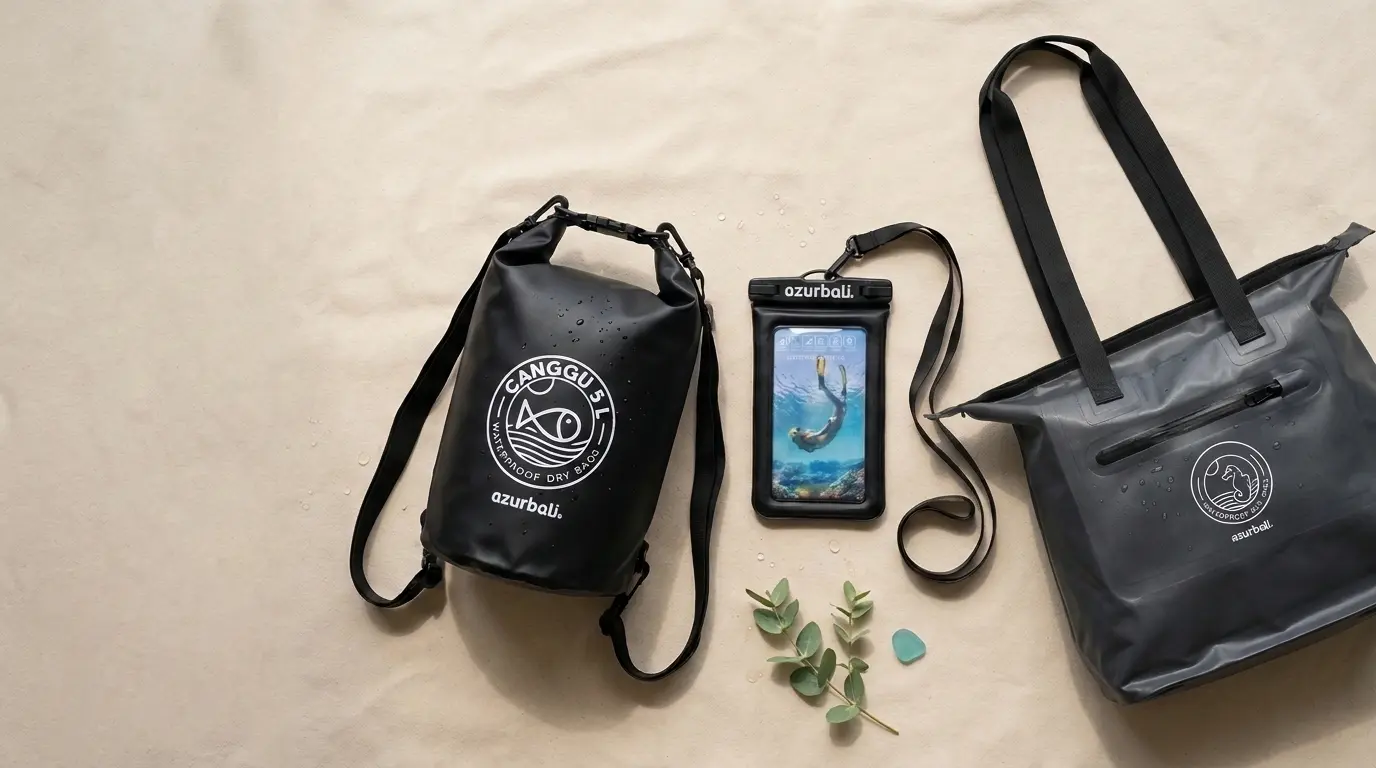
- A waterproof dry bag to keep your phone, wallet, and dry clothes protected while you’re soaking — especially useful if you’re continuing on to Pemuteran or another coastal stop the same day
Final Thoughts
Banjar Hot Springs won’t headline anyone’s Bali highlight reel next to Uluwatu’s cliffs or Ubud’s rice terraces — and that’s precisely its charm. It’s a slower, more local kind of stop: a centuries-old spring, a set of dragon-carved pools built generations ago, and a quiet jungle setting where the loudest sound is usually just water spilling from stone. For travelers making their way through North Bali, it’s a small detour that’s easy to fit in, and hard to forget.